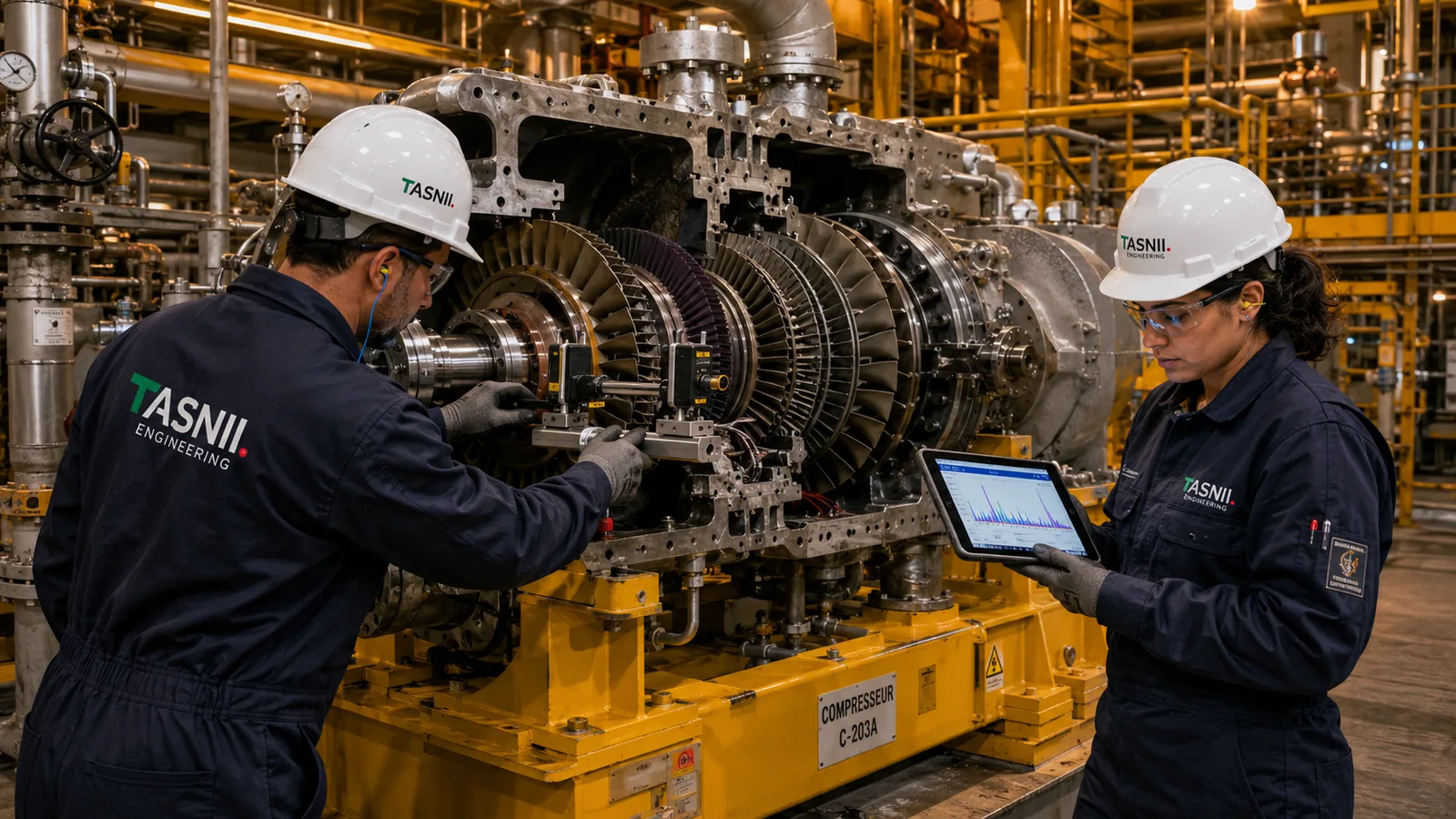
Every operator dreams of moving to predictive maintenance. Very few actually get there. Why?
The difference isn't in the sensors
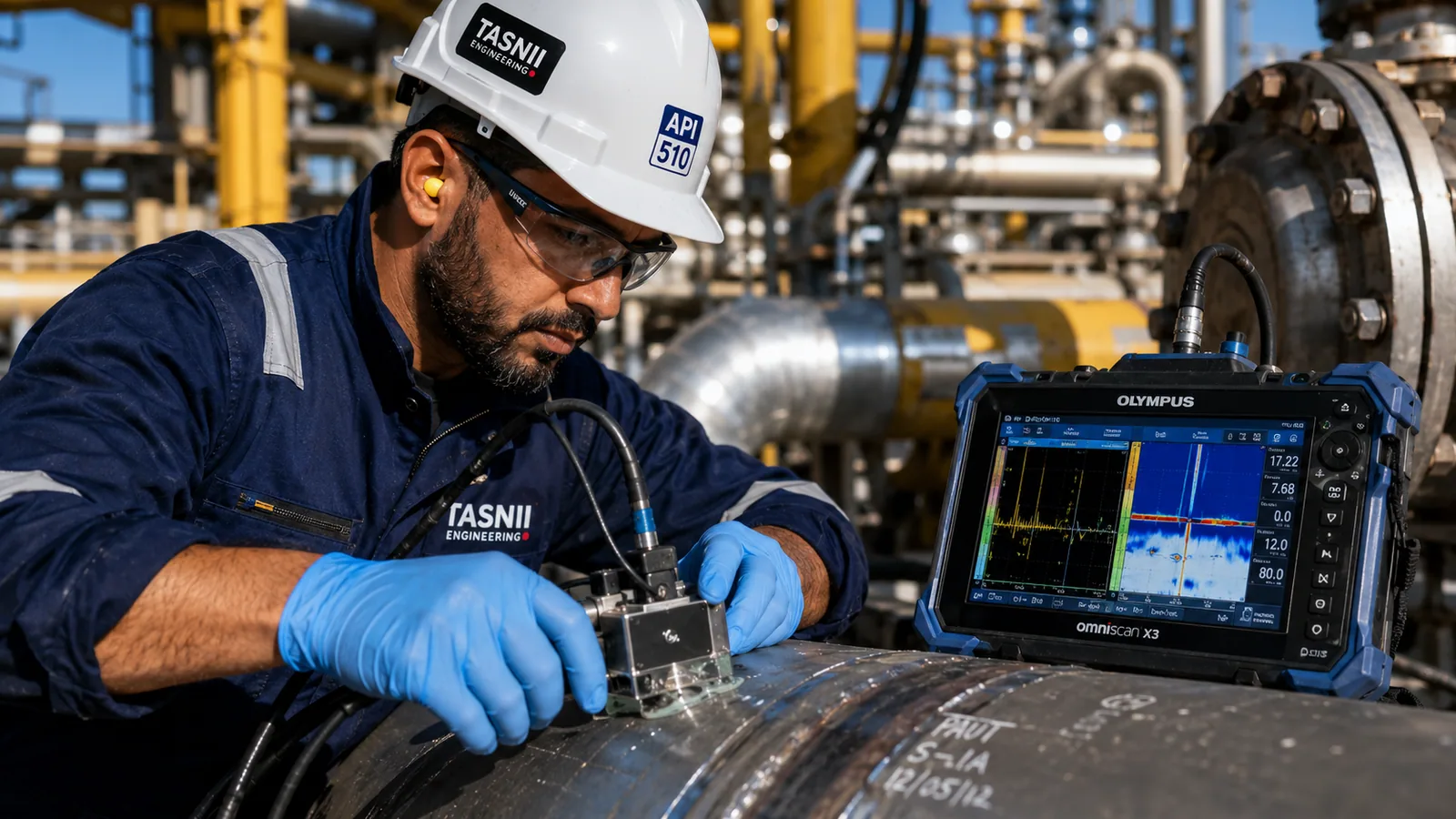
Putting accelerometers on pumps doesn't make predictive maintenance. The real difference is in the **decision chain**: who interprets the data, which threshold triggers intervention, how the shutdown is planned.
Three maturity levels
**Level 1 — Reactive**: we intervene when it breaks. High unplanned downtime cost. **Level 2 — Preventive**: we intervene on schedule. Moderate cost but often oversized. **Level 3 — Conditional / predictive**: we intervene on signal. Optimized cost.
The level 2 to level 3 transition
This is where it gets stuck. You need: - An up-to-date equipment master record (often missing) - Thresholds per asset (not per generic class) - A trend-analysis culture, not just alarms - CMMS integration that turns alert into work order
What an external partner brings
A partner like TASNII Engineering can support the transition by: - Auditing the fleet and setting thresholds - Training field teams - Providing on-call expertise on early weak signals - Documenting each intervention to enrich the knowledge base.